Have any questions?
get in touchTel : 0086 13695242516
E-mail : info@yourchoicewire.com


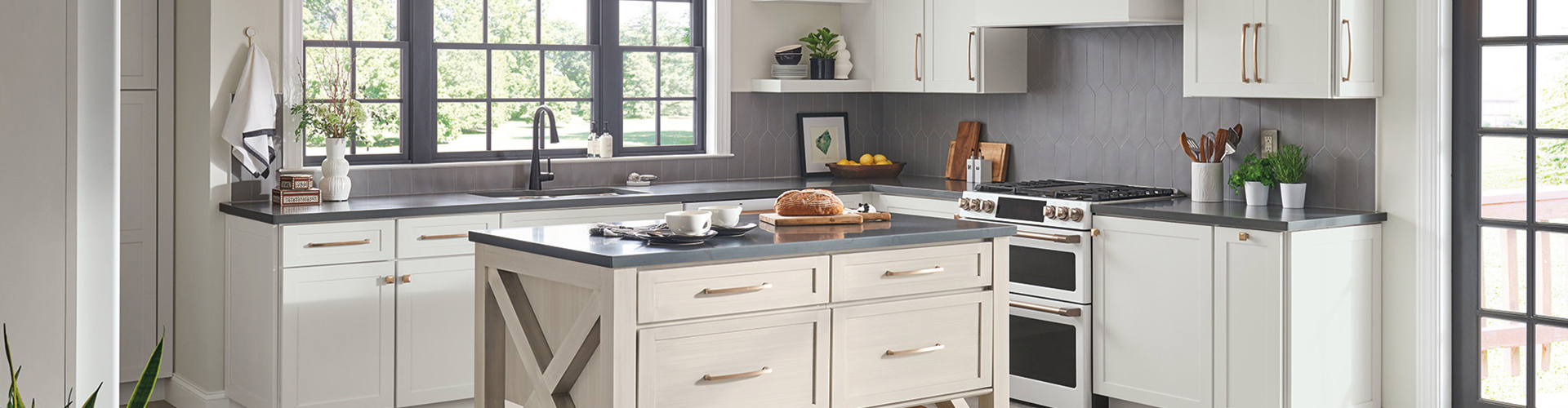
In the production process of pan supports, controlling enamel quality is a systematic endeavour centred on precisely coordinating three factors: substrate preparation, glaze properties and firing techniques.
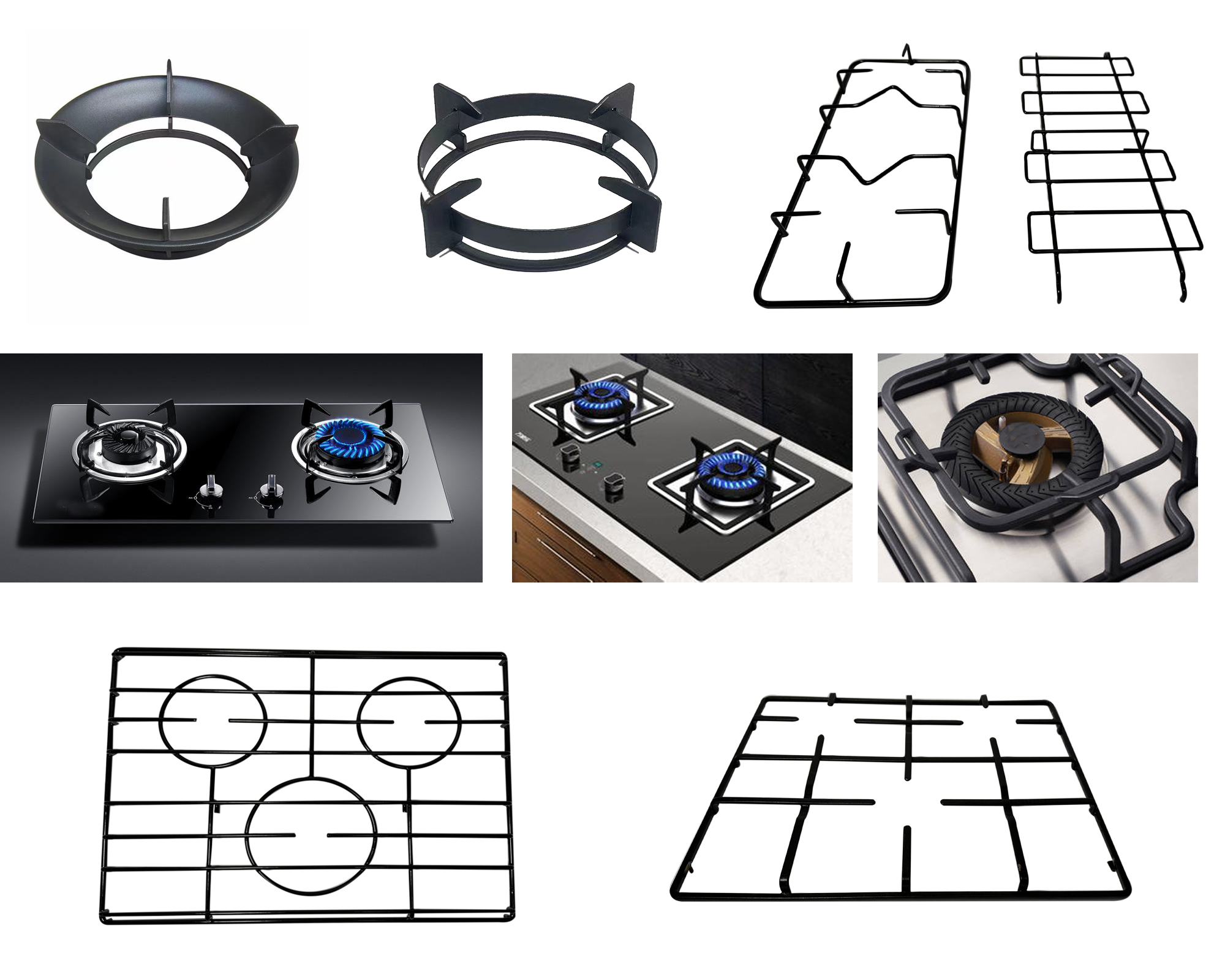
The critical stages in controlling enamel pan supports quality are as follows:
1. Substrate preparation (laying the foundation):
- Thorough degreasing and sandblasting: Oil residues and scale on cast iron or steel substrates must be completely removed. Sandblasting is typically used to roughen the surface, which significantly improves the mechanical interlocking between the enamel layer and the metal grate substrate, preventing flaking.
Degreasing and pickling: This ensures chemically clean surfaces, preventing bubble formation or glaze shrinkage during firing.
2. Enamel Performance Control (Material Assurance):
Formulation compatibility: The expansion coefficient of the glaze must match that of the kiln rack substrate. Significant discrepancies generate substantial internal stresses during cooling, leading to glaze spalling or cracking.
Physical and chemical property testing: Rigorous monitoring of glaze slurry fineness, viscosity and specific gravity is essential. Excessively thin slurry can expose the substrate, while overly thick slurry can result in uneven glaze thickness, which impairs uniform thermal stress distribution.
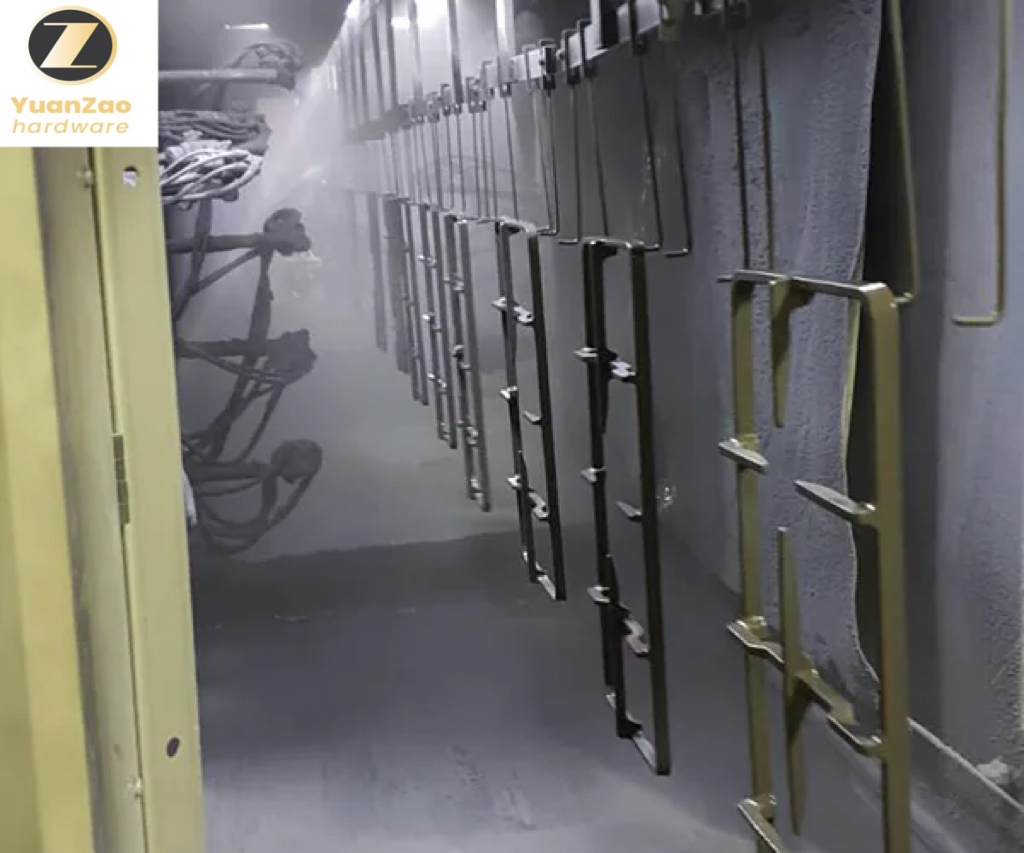
3. Application process control (uniformity):
Thickness control: Complex kiln shelf geometries with multiple edges and corners can lead to glaze accumulation at the edges or insufficient coverage. Electrostatic spraying (dry powder) or multiple immersion processes are typically employed to maintain glaze thickness within standard ranges (usually 150–300 μm). Excessive thickness may cause brittleness and cracking, while insufficient thickness compromises corrosion resistance.
4. Firing process (core operation):
Temperature profile: Strictly adhere to the 'heating-constant temperature-cooling' curve. Excessive firing temperatures can cause glaze flow or metal deformation, while insufficient temperatures can result in incomplete vitrification, poor gloss and low strength.
Kiln atmosphere: Maintain a clean kiln environment to prevent dust or impurities from settling on the glaze surface, as this can cause black spots or dis-colouration.
5. Quality inspection criteria
Acid and alkali resistance: As the oven rack frequently comes into contact with acidic condiments, it must pass physical and chemical corrosion tests.
Thermal Shock Resistance: Simulate rapid temperature changes during cooking (e.g. exposure to cold water after heating to 800°C) to ensure that the ceramic does not spall or crack.
Hardness and adhesion: Ensure that daily scrubbing leaves no scratches and that impacts do not cause ceramic flaking.
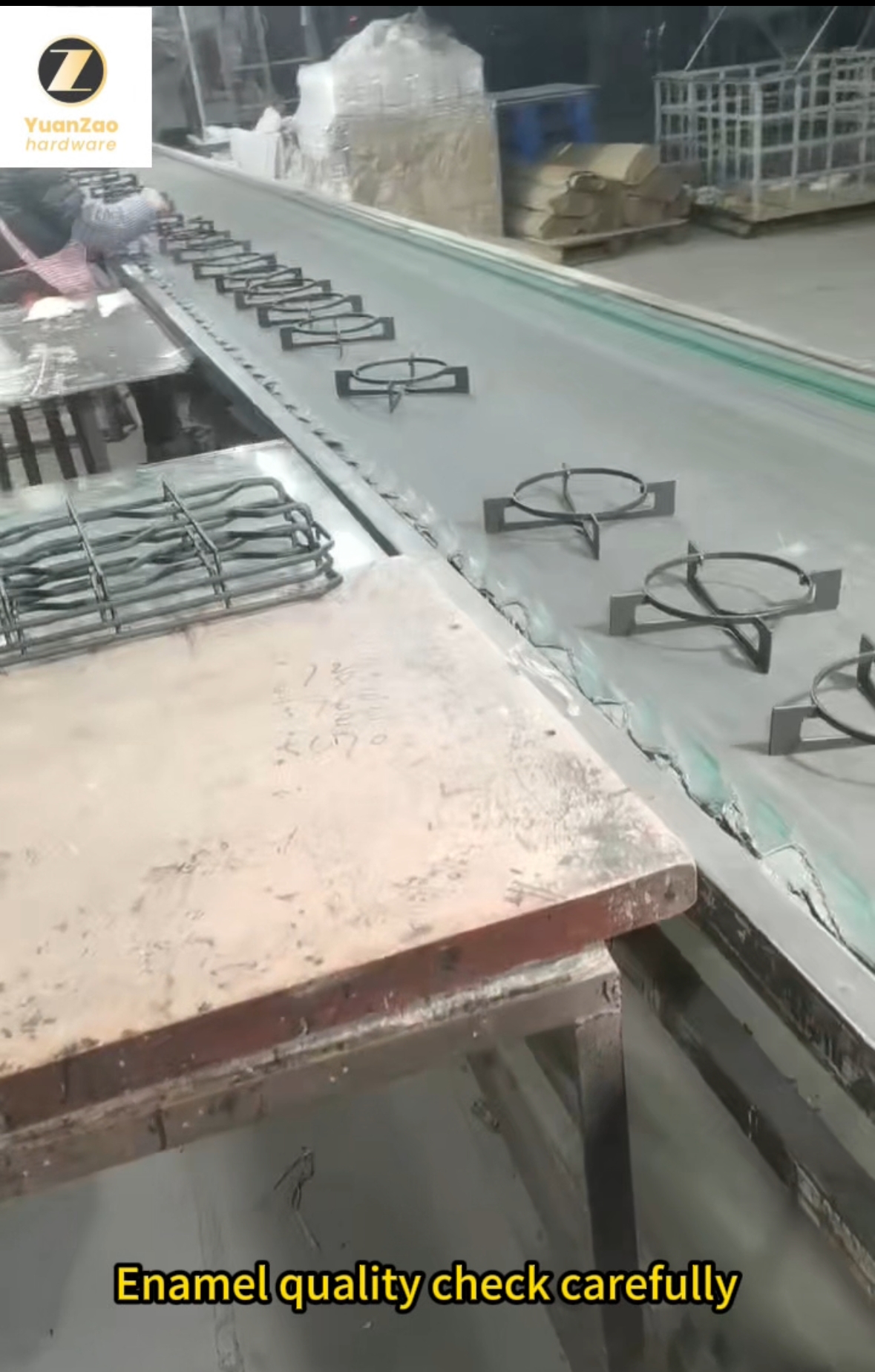
Mastering these aspects enhances the gas hob's aesthetic appeal and ensures its durability under prolonged high-temperature conditions.
That is the standard we live by. As a leading manufacturer specializing in high-quality pan supports, we understand that the enamel coating is more than just a finish—it is a shield. By strictly controlling substrate preparation and firing techniques, we produce durable enamel coatings that resist thermal shock and daily wear.
Whether you are sourcing gas hob parts for a global brand or seeking reliable OEM partners, our commitment to rigorous quality inspection criteria ensures every grate delivers consistent performance. Choose our enamel pan supports for a perfect blend of form, function, and longevity that stands up to the toughest kitchen environments.
Zhongshan Yuanzao Hardware Products Co., Ltd.
Phone : 0086 757 23611398
E-mail : info@yourchoicewire.com